

 Voyager Suite
 Breeze
 Virtuoso
 Investment Suite
 RentCafe
 CommercialCafe Suite
 Elevate Suite
 Procure to Pay Suite
  Energy Suite
 Aspire
 RightSource
 Care Suite
 Matrix
 WorkCafe
 Yardi Kube Suite
 ScreeningWorks Pro
  Yardi Corom



















American cities are changing for the better. More pedestrian-friendly cities have popped up in the last decade promoting cleaner air, less traffic, and healthier residents. The option for walking and biking tops renters’ must-have lists and neighborhoods that don’t adapt to this new lifestyle are losing out. Is your property in a bikeable community?
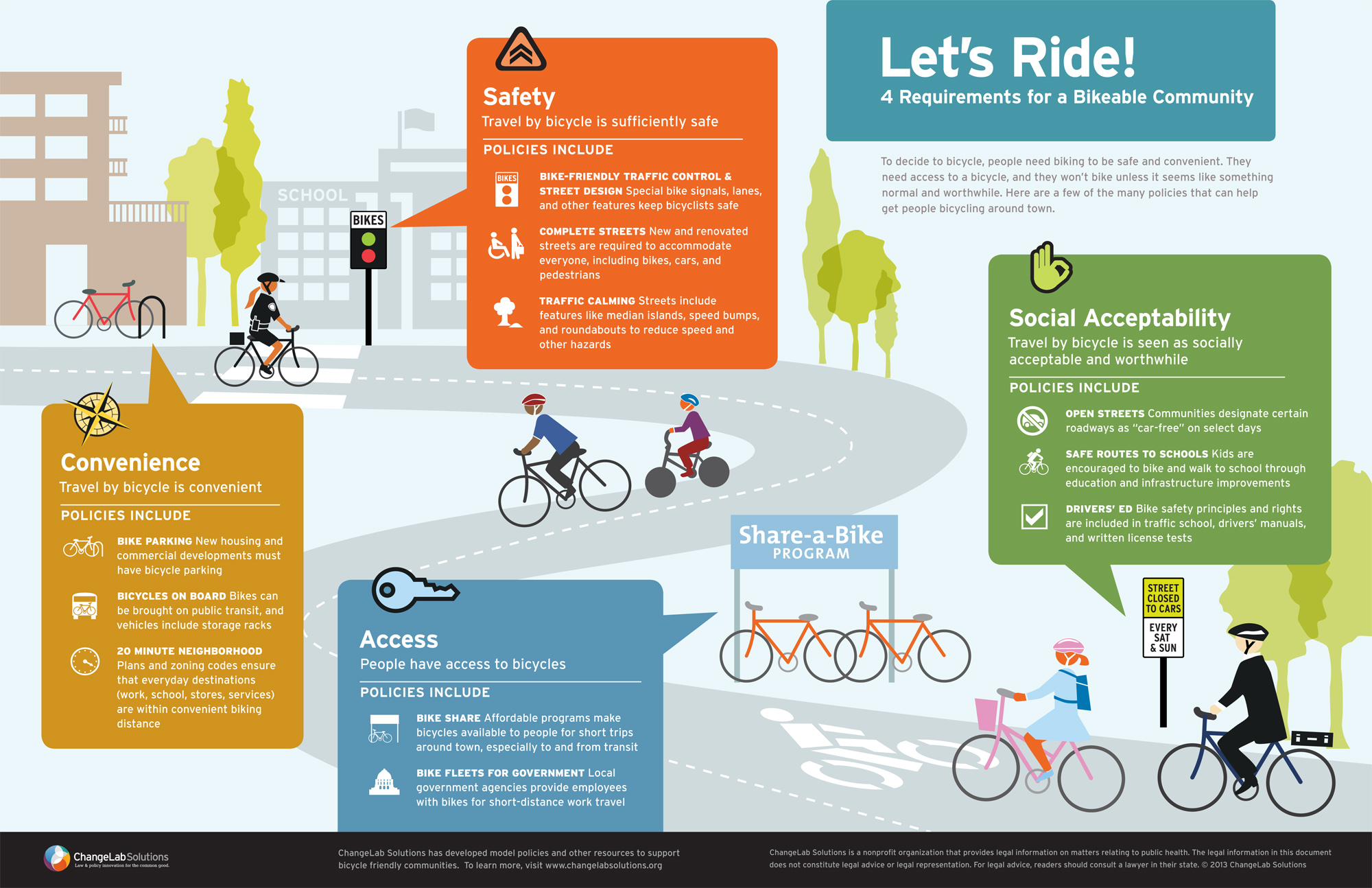
What makes a bikeable community? This infographic from Good.Is illustrates the four traits needed for bikeability.
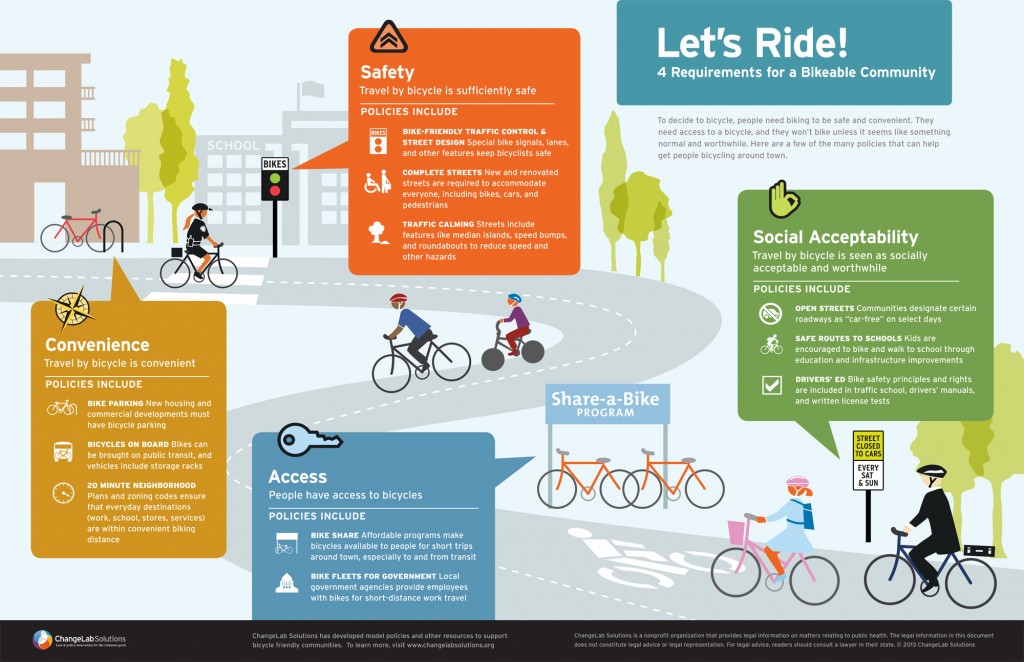
If your community has all of these features, then you’re on the right track! You’ll attract Millennials and Baby Boomers alike to your property. If not, you have the power to promote change.
But why should you bother? Demand is the largest factor; renters want pedestrian-friendly locations. When renters hear pedestrian-friendly, they also hear:
- Cleaner air
- Less traffic
- Less time in traffic means less stress and more time with family
- Outdoor fitness options
- Easier access to shops, services, and parks…and fewer ugly parking decks
- Money saved! No car, car insurance, or outlandish gas budgets required
- Money saved means more cash for personal interests
Neighborhoods that aren’t bikeable or walkable don’t offer these advantages. They will plummet to the bottom of apartment seekers’ lists when compared to communities that do.
To start, you’ll need to rally and unify local residents through education. You will want to connect with organizations such as America Bikes, which advocates for bike and pedestrian initiatives under the federal transportation bill. They can help you with funding, case studies, feasibility studies, and other reports that you will need to inform residents and impress city officials.
Organizations such as The League of American Bicyclists and Rails to Trails Conservancy are excellent resources for educational materials and ideas to put existing infrastructure to work. Many offer to send representatives to your community to speak on behalf of the biking community.
Once you’re equipped with info and experienced professionals on your team, you can raise support through emails to residents, meetings at the community center, or at apartment community clubhouses.
Unless you’re with one of the top developers in the nation, you will need to get residents involved. At every event, in each email or newsletter, and through every social media platform, be sure to attach a link to an e-petition on change.org or a similar site. Petitions offer an easy, quantifiable way to show interest in bikeability. The more signatures that you obtain, the more leverage you’ll have with city leaders.
Now you’re ready to make an impact and contact your decision maker! The aforementioned bicycling advocacy groups will be able to help you with this step, too. There is no surefire timeline for this process because there are so many variables but know that when you’re well prepared and firm in your request, the results are more likely to turn in your favor.
Lastly, residents in your community will appreciate your efforts to make their neighborhood a more accessible, healthier place to live. When residents see an active, engaged staff that takes residents’ interests to heart,they will look on the property more favorably when it’s time for renewals and referrals.